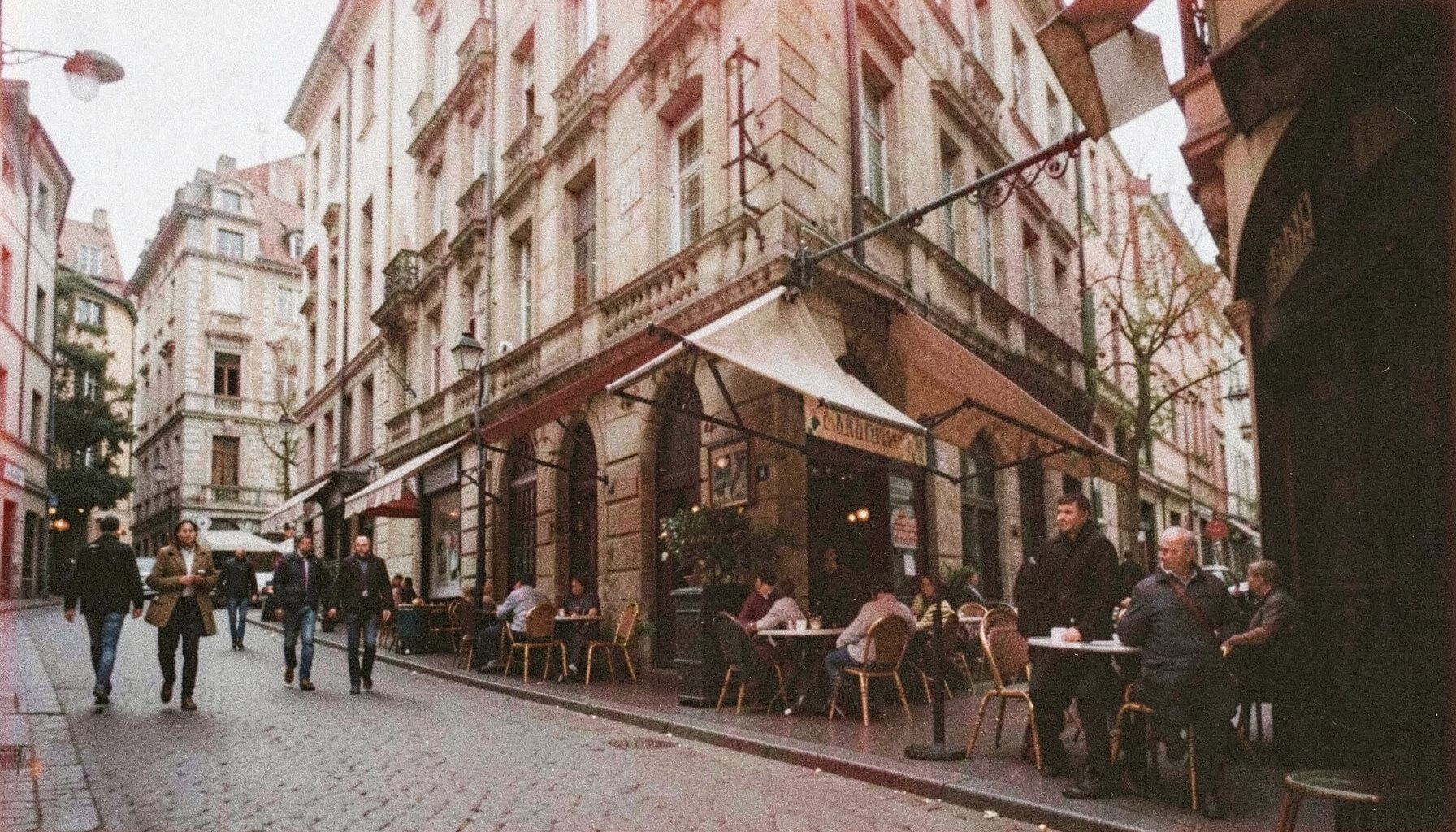
A Northern Hanseatic City
Greifswald is a university and Hanseatic city in the Vorpommern-Greifswald district, with approximately 60,000 inhabitants and a notably high proportion of students aged 18–30.
The town combines a historic Hanseatic character with a strong research and innovation environment, making it well suited to host specialist scientific meetings.
Greifswald is a northern German university town with deep Hanseatic roots, where brick Gothic architecture, cobbled squares, and waterfront warehouses shape the daily rhythm of its streets. The compact historic core sits close to the water and is easily explored on foot, making it a welcoming place for visiting scholars and conference attendees who appreciate a calm, walkable environment. A notable share of residents are students, giving the town a lively, youthful atmosphere that complements its centuries-old civic character and creates an inviting setting for international gatherings held in the language of English for participants from many countries.
The research landscape surrounding the town forms a dense ecosystem of institutes, university departments, and innovation-focused companies working in fields ranging from medicine and community health to physics, biotechnology, and applied engineering. Collaborative centers link academic study with regional industry, while dedicated workshop formats bring together colleagues from multiple disciplines to exchange methods and results. Sponsorship from scientific bodies and cooperation with specialized institutions help sustain a continuing cycle of conferences, industrial exhibitions, and contributed abstracts, ensuring that local scientific meetings remain embedded in a broader European network of inquiry and partnership.
Travelers arriving for a meeting can rely on clear road connections, regional rail links, and concise travel and venue maps provided by hosts familiar with welcoming international guests. Accommodation options span historic inns near the old town, modern hotels close to the university campus, and quiet guesthouses a short tram or bus ride from the conference center, with practical advice on booking typically shared well in advance. The Alfried Krupp Wissenschaftskolleg and similar venues have long supported scholarly exchange, and organizers often coordinate social events that let participants experience local culture between sessions.
Conference life in the town is shaped by a spirit of organized cooperation, where committees review received abstracts, shape accepted oral and poster presentations, and publish a final scientific program distributed to attendees. Important deadlines for registration and payment are communicated clearly, and a downloadable logo and related materials help partner institutions promote the meeting through their own channels. Supported by university, institute, and community partners, the gathering is typically held across a Monday to Wednesday schedule, blending rigorous scientific exchange with informal conversation that strengthens long-term collaboration across borders.
Institutes & Innovation
Greifswald hosts roughly 70 institutes and centers, of which 55 are part of the university. The local economy emphasizes innovation, technology-oriented companies, and biotechnology, complementing the academic profile of the town.
| Aspect | Detail |
|---|---|
| District | Vorpommern-Greifswald |
| Population | ~60,000 |
| Total institutes / centers | ~70 |
| Within the university | 55 |
| Key sectors | Innovation, technology-oriented industry, biotechnology |
Planning Your Stay
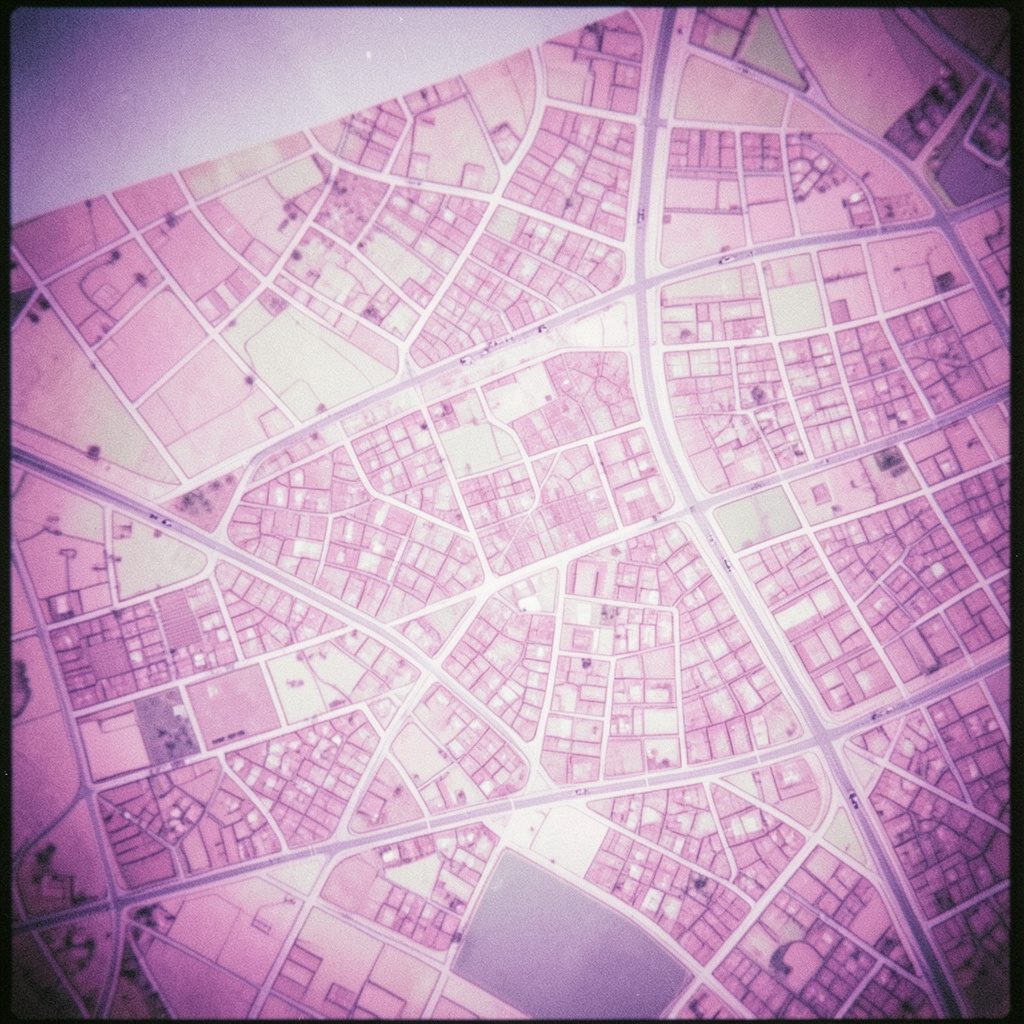
For details on reaching Greifswald by train, car, or local transport — including free parking near the Institut für Biochemie during PT-16 — see the travel information page.